

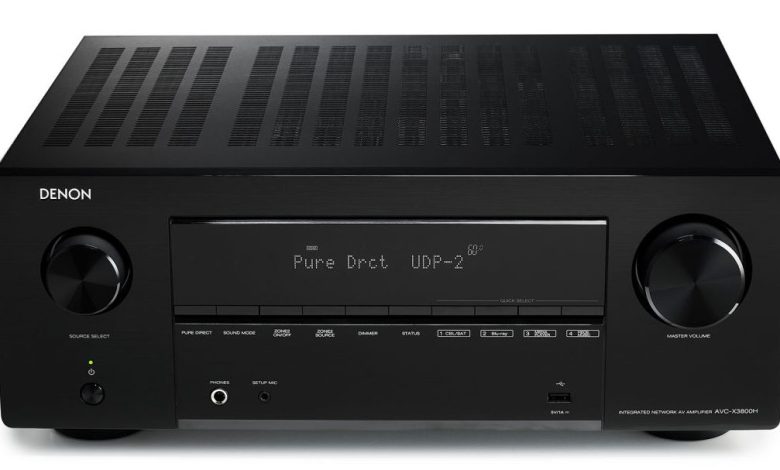
If you’re setting up a home audio system, you may be wondering whether you need an amplifier, a receiver, or both. While these terms are often used interchangeably, there are some differences between the two that are worth considering. An amplifier is a device that takes low voltage signals from your source equipment and increases their gain to power a pair of speakers. A receiver, on the other hand, includes an amplifier as well as a radio tuner, allowing you to listen to FM/AM radio stations.
So, do you need an amplifier, a receiver, or both? The answer depends on your specific needs and preferences. If you only want to listen to music from your phone or computer, an amplifier may be all you need. However, if you want to listen to radio stations or connect multiple audio sources, a receiver may be a better option. It’s also worth noting that some receivers include built-in amplifiers, so you may not need to purchase a separate amplifier if you opt for a receiver.
Understanding Amplifiers
Role of an Amplifier
An amplifier is an electronic device that increases the amplitude of a signal. In the context of audio systems, an amplifier is used to amplify the audio signal that is sent from a source, such as a CD player or a turntable, to the speakers. The main role of an amplifier is to provide sufficient power to the speakers to produce sound at the desired volume level.
Types of Amplifiers
There are many types of amplifiers available in the market, each with its own set of advantages and disadvantages. Some of the common types of amplifiers are:
Integrated Amplifiers
Integrated amplifiers are the most common type of amplifier used in home audio systems. They combine a preamplifier, power amplifier, and sometimes a phono stage in a single unit. Integrated amplifiers are convenient and easy to use, making them an ideal choice for most people.
Power Amplifiers
Power amplifiers are designed to provide high power output to drive speakers. They are usually used in conjunction with a preamplifier or an integrated amplifier to provide the necessary amplification for the audio signal.
Tube Amplifiers
Tube amplifiers, also known as valve amplifiers, use vacuum tubes to amplify the audio signal. They are known for their warm and rich sound, but they are also more expensive and require more maintenance than solid-state amplifiers.
Solid-State Amplifiers
Solid-state amplifiers use transistors and other solid-state devices to amplify the audio signal. They are generally more reliable and less expensive than tube amplifiers, but they may not provide the same warm and rich sound.
amplifiers are an essential component of any audio system. They play a crucial role in providing the necessary power to the speakers to produce sound at the desired volume level. Understanding the different types of amplifiers available in the market can help you choose the right amplifier for your needs.
Understanding Receivers
Role of a Receiver
A receiver is an audio component that acts as a hub for your home theater system. It receives audio signals from various sources, such as your TV, Blu-ray player, or gaming console, and amplifies them before sending them to your speakers. Receivers also come with a built-in tuner that allows you to listen to FM and AM radio stations.
Receivers are essential components of a home theater system because they provide the necessary amplification to power your speakers and deliver high-quality sound. Without a receiver, your audio sources would be unable to connect to your speakers, and you would have no way to control the volume or adjust the sound quality.
Types of Receivers
There are two primary types of receivers: stereo receivers and AV receivers. Stereo receivers are designed for two-channel audio systems and are best suited for music listening. They typically come with two speaker outputs and can power a pair of bookshelf or floor-standing speakers.
On the other hand, AV receivers are designed for home theater systems and can handle multiple audio and video sources. They come with multiple speaker outputs, allowing you to connect a 5.1, 7.1, or even a 9.1 surround sound system. AV receivers also support various audio and video formats, such as Dolby Atmos, DTS
When choosing a receiver, it’s essential to consider your needs and the size of your room. If you’re only interested in music listening, a stereo receiver may be sufficient. But if you’re planning to build a home theater system, an AV receiver is a must-have component.
receivers play a crucial role in delivering high-quality audio to your speakers. They provide the necessary amplification and control to make your home theater system sound its best.
Do You Need Both?
If you’re building a home audio system, you might be wondering if you need both an amplifier and a receiver. The answer depends on your specific needs and preferences. Let’s take a closer look at the benefits of having both and when you can skip one.
Benefits of Having Both
Having both an amplifier and a receiver can offer some significant benefits. For one, you’ll have more control over your sound. Amplifiers are designed to boost the power of your audio signal, while receivers offer a range of features like EQ, tone control, and more. Combining the two can give you a lot of flexibility in shaping your sound to your liking.
Another benefit of having both is that it can make it easier to connect different audio sources. Receivers often have multiple inputs, so you can connect your TV, Blu-ray player, gaming console, and more. Amplifiers, on the other hand, are typically designed to work with a single source. By combining the two, you can easily switch between different sources without having to constantly reconfigure your system.
When You Can Skip One
While having both an amplifier and a receiver can be beneficial, it’s not always necessary. If you have a small room and only plan to use one audio source, you may not need a receiver. A simple amplifier can provide enough power to fill a small room with sound.
On the other hand, if you have a large room or multiple audio sources, a receiver may be more appropriate. Receivers often have more inputs and can offer more features than amplifiers. If you’re looking for a more versatile system that can handle a variety of audio sources, a receiver may be the way to go.
Ultimately, the decision to use both an amplifier and a receiver comes down to your specific needs and preferences. Consider your room size, the number of audio sources you plan to use, and how much control you want over your sound. With a little research and planning, you can build a home audio system that meets your needs and sounds great.
Choosing the Right Equipment
When it comes to setting up your home audio system, choosing the right equipment is crucial. Amplifiers and receivers are two essential components that work together to provide high-quality sound. But do you need both? Here are some factors to consider when deciding which one is right for you, as well as some popular brands and models to consider.
Factors to Consider
When deciding whether to purchase an amplifier or a receiver, there are several factors to consider. The first is the size of your space. If you have a smaller room, an amplifier may be sufficient. However, if you have a larger room or want to connect multiple sources, a receiver may be a better option.
Another factor to consider is the type of sources you want to connect. If you mainly listen to music from your phone or computer, an amplifier may be all you need. However, if you want to connect a turntable or other analog sources, a receiver with a dedicated phono input may be necessary.
Finally, consider your budget. Amplifiers tend to be less expensive than receivers, but receivers offer more features and connectivity options. Determine what features are most important to you and choose the equipment that fits your budget.
Popular Brands and Models
There are many brands and models of amplifiers and receivers on the market, each with their own unique features and benefits. Here are a few popular options to consider:
Amplifiers
- Cambridge Audio CXA61: This amplifier offers 60 watts per channel and a built-in digital-to-analog converter (DAC) for high-quality sound.
- NAD C 316BEE V2: This amplifier offers 40 watts per channel and a phono input for turntable connectivity.
Receivers
- Yamaha R-N803: This receiver offers 100 watts per channel, built-in Wi-Fi and Bluetooth connectivity, and support for streaming services like Spotify and Tidal.
- Denon AVR-S750H: This receiver offers 75 watts per channel, support for Dolby Atmos and DTS
surround sound, and compatibility with voice assistants like Alexa and Google Assistant.
Ultimately, the right equipment for you will depend on your individual needs and preferences. Consider the factors above and do your research to find the amplifier or receiver that best suits your needs.
Conclusion
whether you need an amplifier or a receiver depends on your specific needs and preferences.
If you are looking to power a pair of speakers and have a simple setup, an amplifier may be all you need. Amplifiers are great for powering bookshelf speakers or small home theater setups. They are also generally less expensive than receivers, making them a great option for those on a budget.
However, if you have a more complex setup with multiple inputs and outputs, a receiver may be a better choice. Receivers offer more features than amplifiers, such as the ability to switch between multiple audio and video sources. They also typically have built-in tuners, allowing you to listen to radio stations without the need for an additional device.
Ultimately, the decision between an amplifier and a receiver comes down to your personal needs and preferences. Consider the size of your room, the types of speakers you have, and the number of inputs and outputs you need. With the right equipment, you can enjoy high-quality sound in your home for years to come.


